
Winter Through the Lens
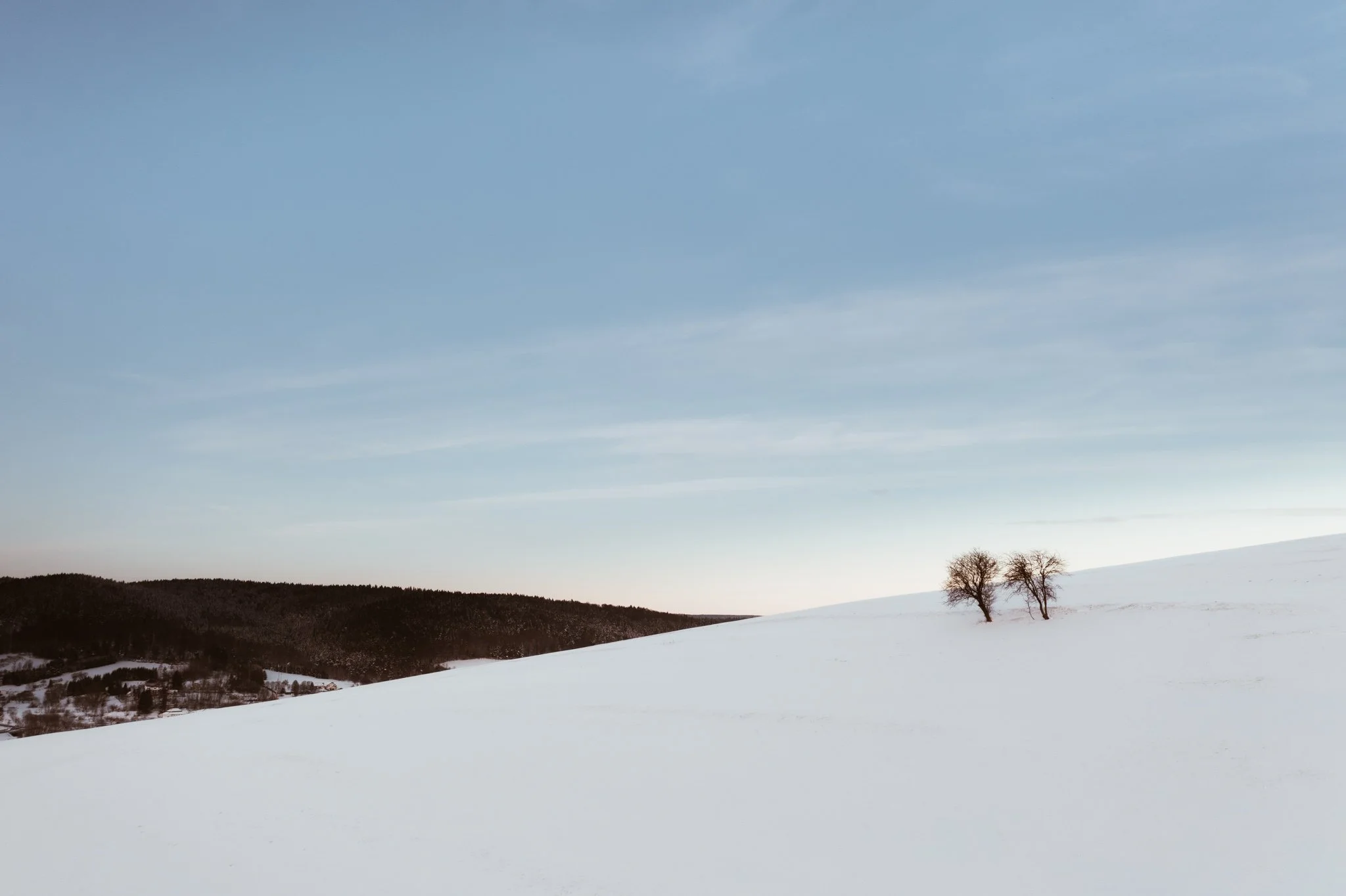
Winter Through the Lens: Why Winter Photography Is One of My Favourites
For many photographers, winter is a season of pause—a time when colours fade, days shorten, and conditions become challenging. For me, it’s quite the opposite. Winter is one of the most inspiring times to photograph. It strips the world down to its essentials and invites a quieter, more intentional way of seeing.
Just as editing completes a photograph, winter completes a visual story by removing distractions and revealing what truly matters in a scene.
The Beauty of Simplicity
Winter photography is about reduction. Leaves fall, colours mute, and landscapes simplify into lines, shapes, and textures. Snow becomes a natural canvas, allowing light and shadow to take centre stage. This minimalism pushes me to focus on composition rather than colour, on form rather than excess.
A lone tree in a snowy field, footprints fading into white, fog wrapping itself around distant hills—winter scenes often say more by showing less. There’s a calm honesty in these images that feels timeless.
Light That Tells a Different Story
Winter light is unique. Low sun angles create long, dramatic shadows, while overcast skies act like a giant softbox, perfect for subtle tones and gentle contrasts. Golden hour lasts longer, and even midday light feels more sculpted than harsh.
This light has an emotional quality. It feels introspective, sometimes melancholic, sometimes peaceful. Winter light doesn’t shout—it whispers. Capturing it requires patience and sensitivity, but the reward is imagery rich in mood and atmosphere.
Winter as an Emotional Landscape
Winter photography isn’t just about documenting a season; it’s about capturing a feeling. Cold air, silence after snowfall, the way sound seems absorbed by snow-covered ground—these experiences translate into images that feel intimate and reflective.
In portraits, winter can add depth and vulnerability. In landscapes, it can evoke solitude or stillness. There’s space for emotion to breathe, both for the photographer and the viewer.
Challenges That Inspire Creativity
Winter is not an easy season to shoot in. Cold hands, fogged lenses, unpredictable weather—it all demands preparation and patience. But these limitations often fuel creativity. When conditions are tough, you slow down. You think more carefully. You commit to fewer frames, but with more intention.
For me, this mindset is essential. Winter teaches restraint and awareness, reminding me that photography is not about chasing perfection, but about responding to what’s in front of you.
Staying True to the Scene
Just like in post-production, balance matters in winter photography. It’s tempting to over-enhance whites, boost contrast, or exaggerate blues. But the magic of winter lies in subtlety. Gentle tonal transitions, preserved details in snow, and natural colour balance help maintain authenticity.
The goal is not to dramatize winter beyond recognition, but to honour its quiet power.
Conclusion
Winter photography is one of my favourites because it aligns perfectly with how I see the world through the camera—calm, intentional, and emotionally grounded. It challenges me to simplify, to observe more closely, and to find beauty in stillness.
In a season where nature slows down, photography becomes more thoughtful. And in that space, some of the most meaningful images are born.